Prevention-First Cybersecurity for Energy & Utilities
From nuclear control rooms to offshore platforms, OPSWAT stops file- and device-borne threats before they reach critical OT systems.
- Prevention-First Security
- Audit-Ready Compliance
- Seamless Operational Continuity
OPSWAT Is Trusted By
1,500+
1,800+
30+
13,000+




Where Energy Infrastructure Security Breaks Down


The Removable Media Blind Spot
Field technicians rely on USB drives to patch SCADA systems, trusting internal media by default. With no scanning enforced at the point of use, a single infected drive can compromise critical assets and leave no trace behind.


Unchecked Files Crossing the IT/OT Boundary
Data has to move between IT and OT, but without inspection at the boundary every transfer, patch, and vendor upload becomes an unverified path into production systems.

Legacy Systems Outpaced by Modern Threats
Decades-old control systems can’t support modern endpoint security or patch management, yet they represent the majority of critical OT infrastructure and can’t be replaced overnight.


Compliance Without Enforcement
NERC CIP, IEC 62443, and NRC 10 CFR 73.54 demand audit-ready, demonstrable controls. Many organizations can document policy but can’t prove consistent enforcement, a gap that costs millions in fines and reputation.


Attackers Adopted AI First
Adversaries now generate polymorphic malware and convincing lures faster than signature-based defenses can update, and OT environments are the slowest of all to update.
End-to End Prevention-First Protection
OPSWAT stops threats before they reach control systems - with physical enforcement, deep inspection, and centralized policy control.

Physical Enforcement at Every Entry Point
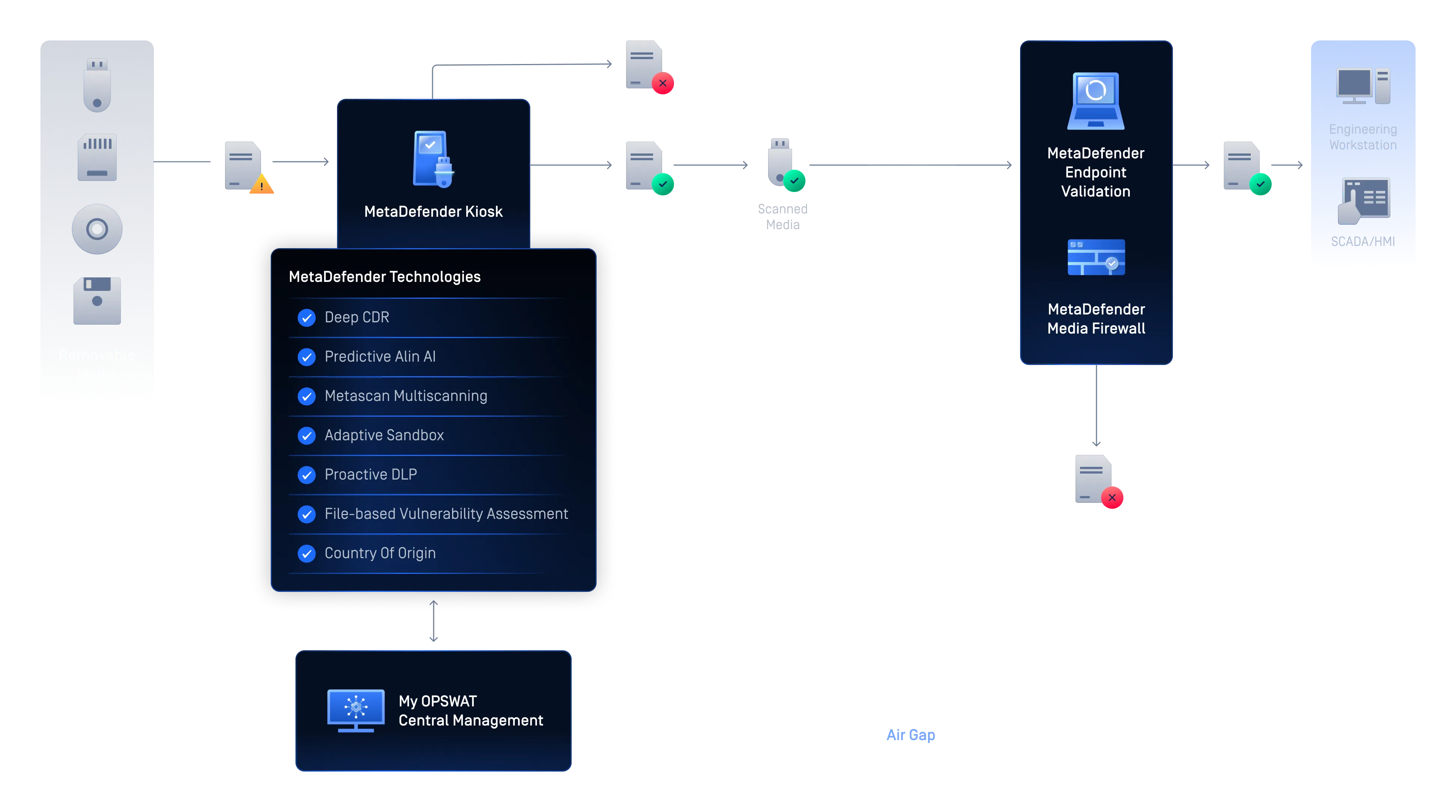
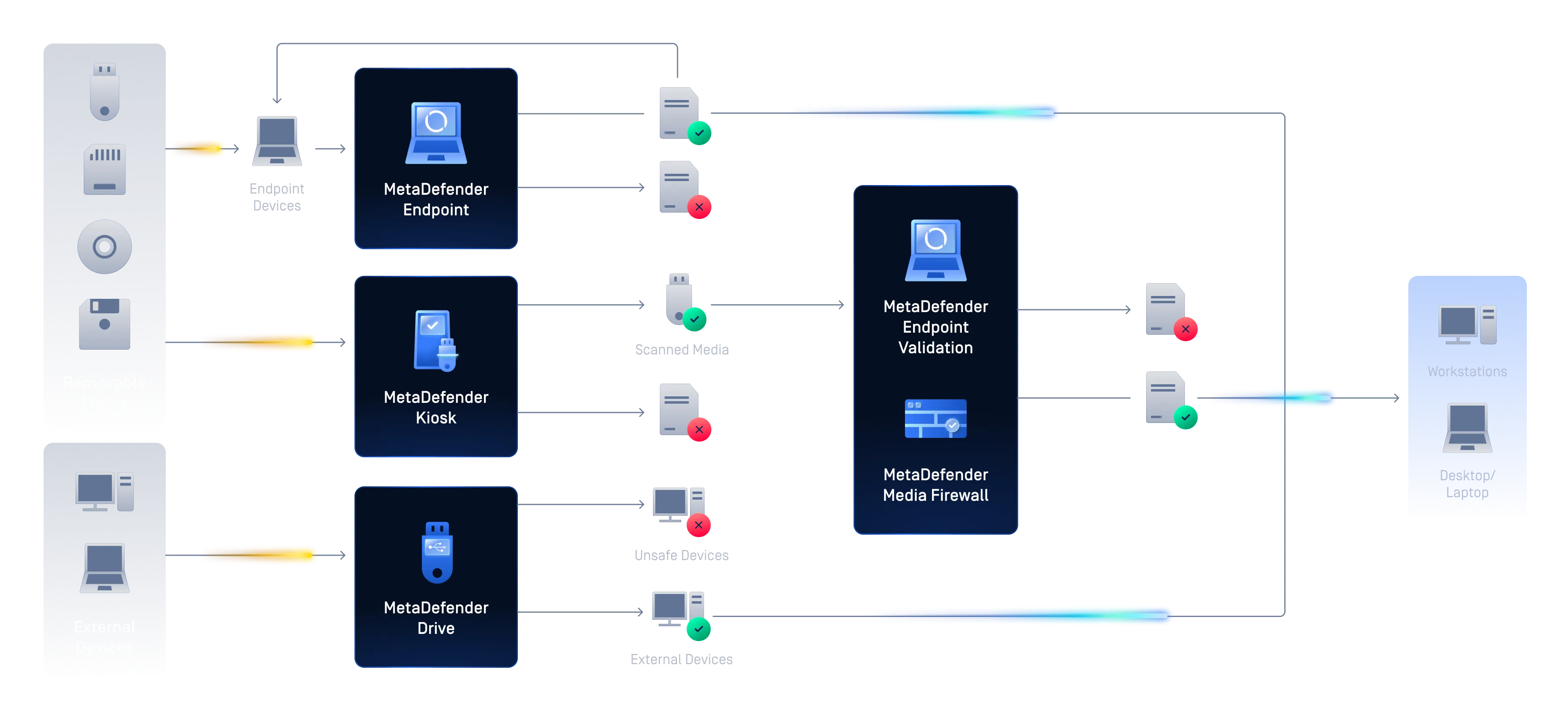
MetaDefender™ Kiosk, Drive, Media Firewall, and Endpoint enforce removable media and transient device security by scanning, validating, and controlling devices before they access critical OT systems.

Secure IT/OT Data Transfers
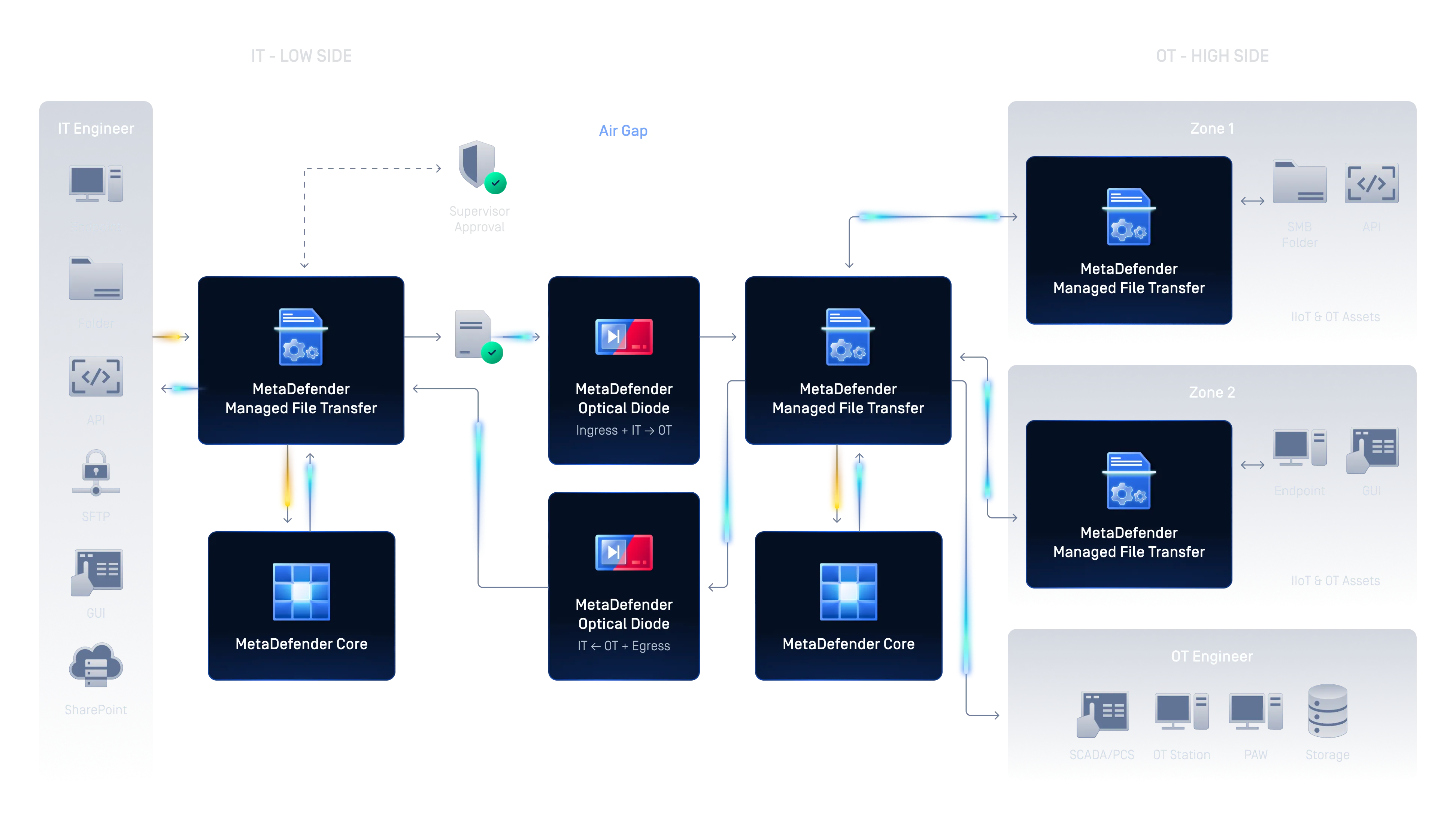
MetaDefender Managed File Transfer, NetWall™, and Industrial Firewall inspect and control every file crossing the IT/OT boundary, enforcing one-way or policy-based transfer with zero blind spots.
Visibility, Access & Threat Prevention
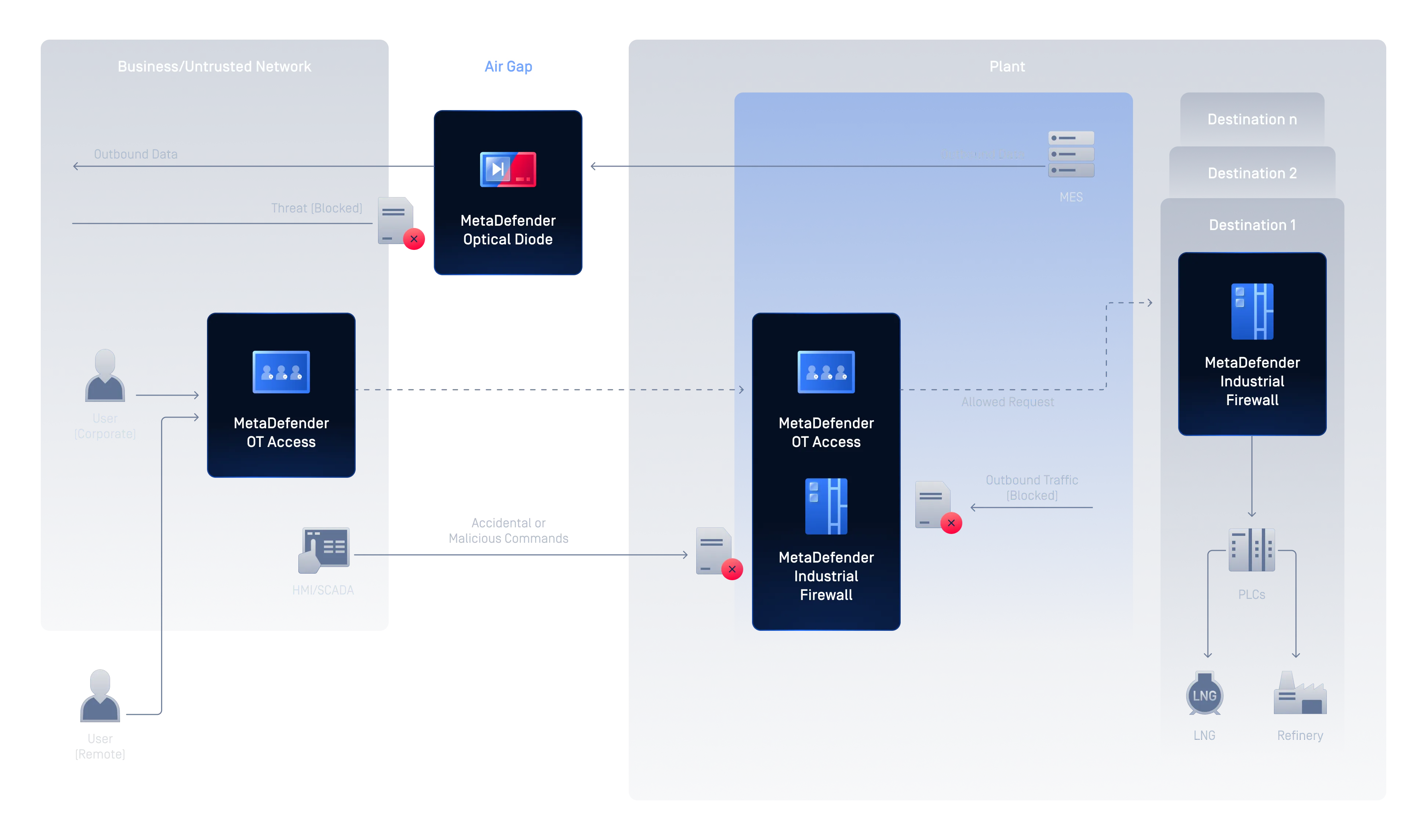
Industrial Firewall, and OT Access combine OT asset visibility, secure remote access, and network protection to reduce cyber risk.
Centralized Visibility & Compliance
My OPSWAT™ Central Management unifies policy enforcement, scan logs, and compliance reporting across every site, product, and geography that is audit-ready by design.

AI-Powered Zero-Day Detection
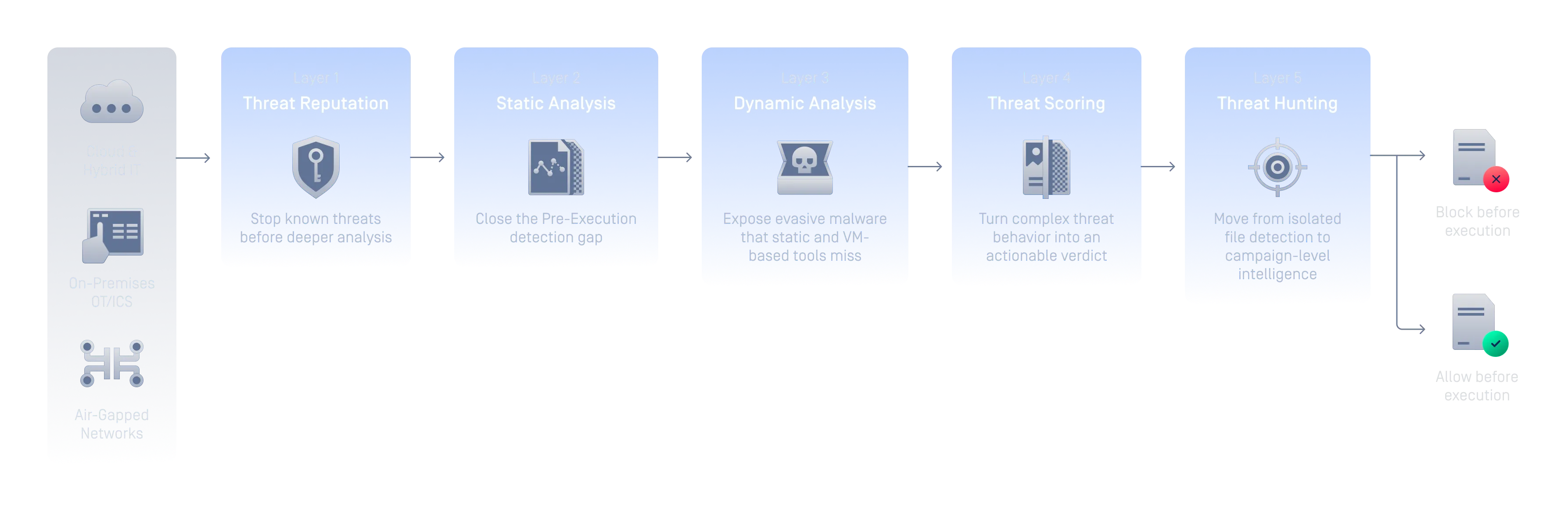
MetaDefender Aether™ unifies threat reputation, Predictive Alin AI, emulation-based sandboxing, threat scoring, and threat hunting in one five-layer solution. Detect zero-day and evasive malware before it reaches users and systems, with a single actionable verdict per file.
Secure Energy & Utility Operations
Use Cases
Secure Removable Media Entry Points
Prevent malware from entering critical OT environments by scanning, sanitizing, and validating removable media before it reaches operational systems.
Protect Transient Devices and Endpoints
Secure vendor laptops, engineering workstations, and transient devices with pre-boot scanning, device control, and secure patch deployment.
Protect Connected OT Operations
Defend industrial operations with active network protection, secure remote access, and hardware-enforced one-way data transfer across legacy and modern OT environments.
Secure Every IT/OT File Transfer
Inspect, sanitize, and securely transfer files across IT and OT environments while enforcing policy-based controls.
Detect Advanced Threats Before Execution
Stop zero-day and AI-driven threats before execution using machine learning, adaptive sandboxing, and threat intelligence across cloud, on-premises, and air-gapped environments.
- Removable Media Protection
 Removable Media Protection
Secure Removable Media Entry Points
Prevent malware from entering critical OT environments by scanning, sanitizing, and validating removable media before it reaches operational systems.
- Device Security
 Device Security
Protect Transient Devices and Endpoints
Secure vendor laptops, engineering workstations, and transient devices with pre-boot scanning, device control, and secure patch deployment.
- OT & CPS Protection
 OT & CPS Protection
Protect Connected OT Operations
Defend industrial operations with active network protection, secure remote access, and hardware-enforced one-way data transfer across legacy and modern OT environments.
- Secure Transfers
 Secure Transfers
Secure Every IT/OT File Transfer
Inspect, sanitize, and securely transfer files across IT and OT environments while enforcing policy-based controls.
- AI Detection
 AI Detection
Detect Advanced Threats Before Execution
Stop zero-day and AI-driven threats before execution using machine learning, adaptive sandboxing, and threat intelligence across cloud, on-premises, and air-gapped environments.
Built for the World’s Toughest Energy Regulations
OPSWAT supports documentation, enforcement, and audit-readiness for NERC CIP, IEC 62443, NRC 10 CFR 73.54, EU NIS2, TSA Pipeline Security Directives, the Australia SOCI Act, and more, through centralized scanning logs, policy enforcement records, and compliance dashboards.




Stopping Threats Starts with Market-Leading Technology
OPSWAT’s proven, globally trusted, award-winning, and market-leading technology prevents file-borne malware from entering and propagating into your critical environments.
AI-Powered Zero-Day Prediction at the Perimeter
- Pre-Execution Detection & Deflection
- ML-Model trained on Enterprise File Workflows
More Engines Are Better Than One
- Detect nearly 100% of malware
- Scan simultaneously with 30+ leading AV engines
Stop Threats That Others Miss
- Supports 200+ file formats
- Recursively sanitize multi-level nested archives
- Regenerate safe and usable files
AI-Driven Content Authenticity & Document Fraud Detection
- Deduplicate, validate, and canonicalize image metadata
- Evaluate visual forensic signals, text-stylometry features, and document structure cues
- Use separate gates for AI-generated text, AI-generated images, and document-fraud classifiers
True File Type Detection for Security-Critical Workflows
- AI-Enhanced
- Detects spoofed file types in milliseconds
- Inline enforcement without performance loss
Prevent Sensitive Data Loss
- Utilize AI-powered models to locate and classify unstructured text into predefined categories
- Automatically redact identified sensitive information like PII, PHI, PCI in 125+ file types
- Support for Optical Character Recognition (OCR) in images
![OPSWAT Technologies Image]() AI Content Inspector
AI-Driven Content Authenticity & Document Fraud Detection
- Deduplicate, validate, and canonicalize image metadata
- Evaluate visual forensic signals, text-stylometry features, and document structure cues
- Use separate gates for AI-generated text, AI-generated images, and document-fraud classifiers
100+ Billion ImagesFrom Google SynthID Detection99% Accuracyfor Major Image Generators![OPSWAT Technologies Image]() File Type Detection
True File Type Detection for Security-Critical Workflows
- AI-Enhanced
- Detects spoofed file types in milliseconds
- Inline enforcement without performance loss
99%+ AccuracyOn Disguised Extensions

Trusted Across 1,500+ Energy Organizations

Nuclear Restoration Services



- “Having one antivirus engine to validate a particular file is not ideal. [With] the solution we now have in place with OPSWAT, each file is being scanned by 16 different antivirus engines.”Mike RitchieCyber Security, Dounreay
Nuclear Restoration Services - “By using a product like OPSWAT MetaDefender Core, we successfully addressed this issue. I could centralize all of Hitachi Energy's global services onto a single server.”Jeremy MorganGlobal Cybersecurity Manager at Hitachi Energy
- “With our air gap potentially left vulnerable we knew we had to move quickly, but not at risk of choosing a replacement solution that wasn’t the right fit for us.”
- “We needed to track and manage the constant flow of data in and out of our facilities. MetaDefender [Kiosk] has enabled us to set up detailed security policies for specific users and keep pace with the ever-changing industry requirements. It adds another layer of protection for us.”Malie CombsCybersecurity Analyst Information Technology at OPPD
Recommended Resources

Proven Deployments in Energy and Utilities
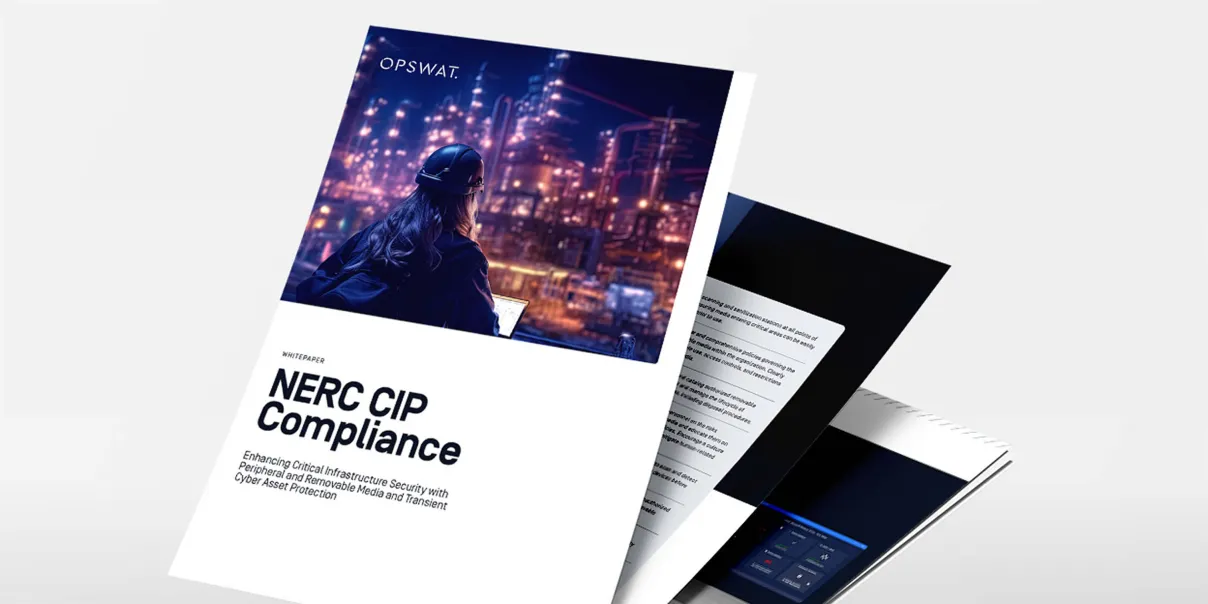
NERC CIP Compliance
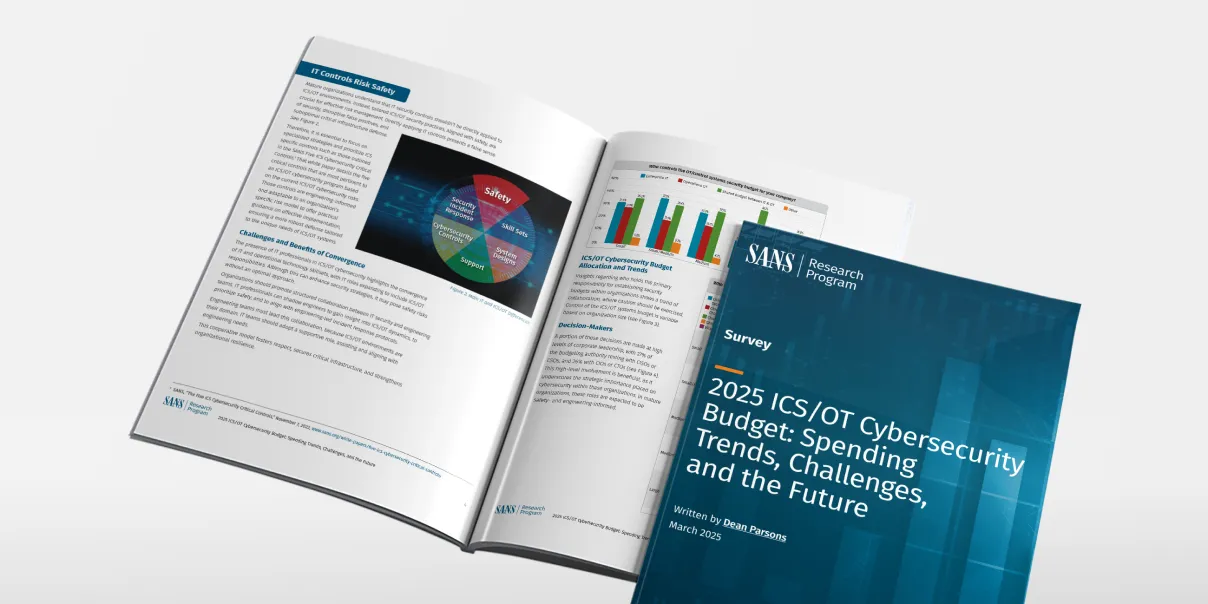
ICS/OT Cybersecurity Budget: Spending Trends, Challenges, and the Future
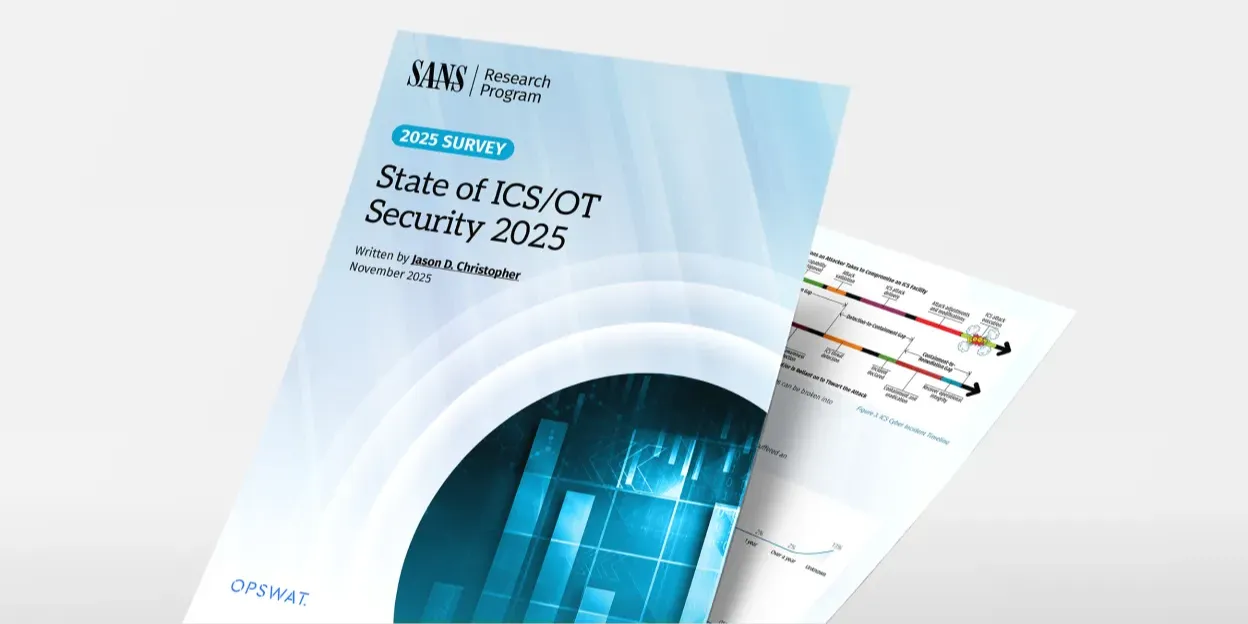
SANS State of ICS/OT Security 2025

The Ultimate Guide to OT Cybersecurity

Redefining Resilience: Unified Security Across IT–OT
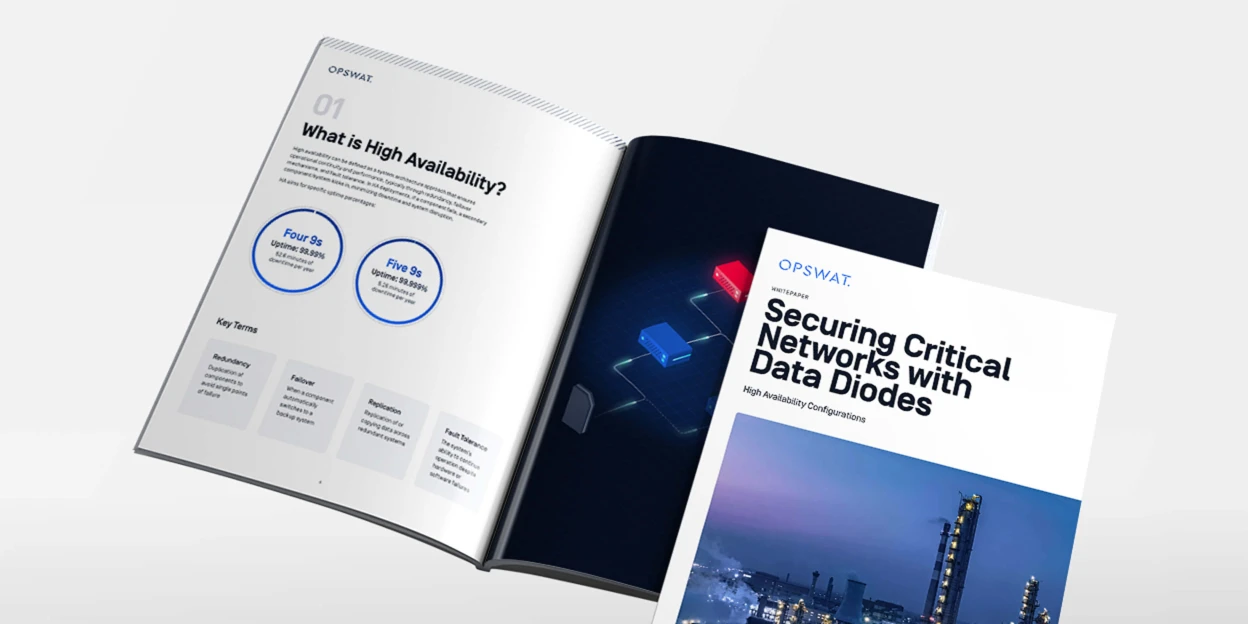
Securing Critical Networks with Data Diodes: High Availability Configurations
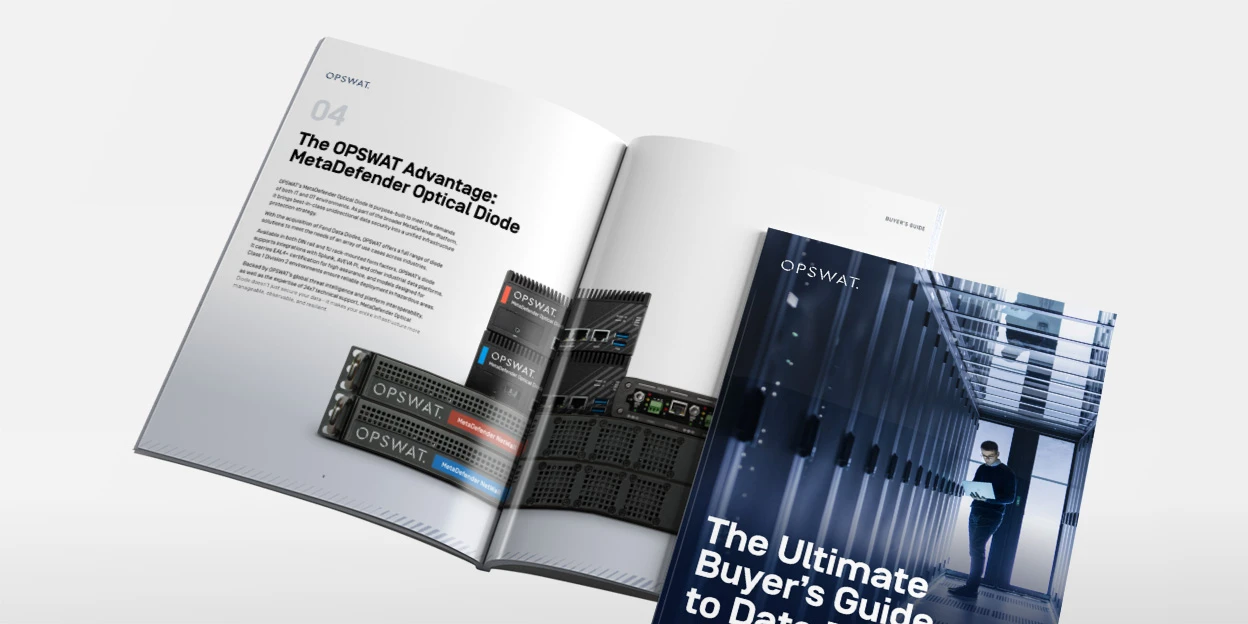
The Ultimate Guide to Data Diodes

OT Cybersecurity Outlook: 2026 and Beyond

NERC CIP-015-01: Growing Urgency around Internal Network Security Monitoring

Securing the Electric Grid with DNP3 and Unidirectional Data Flow

5 High-Risk OT Cybersecurity Scenarios in Energy and Utilities
0 results. Please try again.
FAQs
Not on their own. Malware introduced via USB drives, contractor laptops, and vendor tools bypasses air gaps routinely, as seen with Stuxnet, Industroyer etc.
Not consistently. Operators prioritize uptime over protocol compliance, especially during maintenance windows, without a physical enforcement mechanism.
Not necessarily. Average ICS dwell time exceeds 200 days — the absence of a detected incident isn’t the absence of compromise.
No. Regulators such as NERC CIP, NRC, and TSA require demonstrable, audit-ready enforcement, not just written procedures.
No. Single-engine AV misses 30–40% of new malware variants at release. Energy environments need multi-engine scanning and content disarm technologies.
Many physical enforcement points, like MetaDefender Kiosk, can be operational within hours of installation at a site.
Yes. Predictive Alin AI and MetaDefender Aether for Core operate fully offline, supporting air-gapped nuclear, pipeline, and grid environments.
